By: Chieloka Anadu
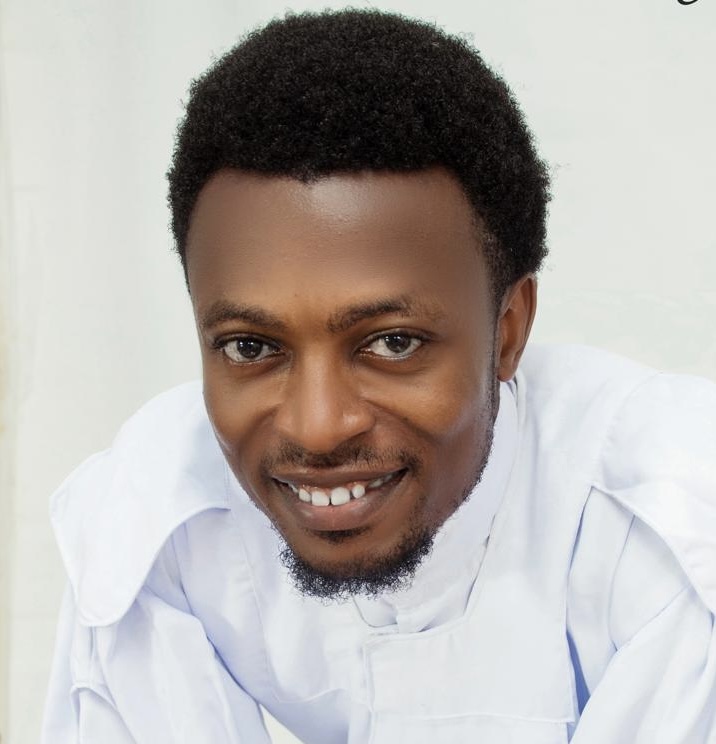
Emmanuel Eweje describes himself as “a contemporary Nigerian artist driven by a deep passion for creative diversity and a keen eye for design.” His practice spans acrylic painting and thread painting, approached with what he calls “meticulous attention to detail and a profound understanding of cultural symbolism.” His stated goal is “to foster dialogue and embrace diversity through my art.” That ambition has already carried him across borders, with exhibitions including the Connect residency/exhibition in Chicago and the Spanish Embassy Art Competition, alongside recognition from the National Visual Art Competition, Felabration, and the Leap Africa Art Competition.
The roots of that practice trace back to Agbeye, the “tranquil Nigerian rural town” where Eweje grew up, and to his mother’s small-scale business in textile weaving and crocheting. Helping with cleanup chores put him in close, regular contact with textiles, and he began collecting the colourful fabric pieces left behind as waste. “That early exposure shaped how I see color, labor, and beauty in discarded things,” he says – a formative lesson in finding value where others saw scraps. His artistic education deepened at Obafemi Awolowo University, where he joined Araism, Nigeria’s emerging visual arts movement built around innovative colour pointillism and acrylic processes. Thematically, his work has grown to explore children, the liberation of Black culture, shared human experience, and questions of self, relationship, and community – ideas he describes as driving “everything I make.”
Eweje traces his artistic lineage directly to Araism’s founder, Mufu Onifade, whose movement “shaped my early approach to color, pointillism, and acrylic.” Beyond that, he points to the textile tradition of Nike Okundaye Davies, alongside the imprint of his mother’s own weaving and crocheting, and a broader current within contemporary African art that works to reclaim narrative, material, and colour as tools of cultural expression. As he puts it, he is drawn to “artists and movements that treat labor, color, and cultural symbolism as central, not decorative.”
That philosophy shapes his choice of materials directly. Eweje currently works across drawing and acrylic painting, with a recent focus on the Araism technique itself, built on colour pointillism and layered acrylic process. Its significance runs deep: “It gave language to what I already felt growing up,” he explains. The technique lets him build vibrant, layered compositions in which, as he says, “color does the emotional work” – linking his individual studio practice to the wider Nigerian visual arts movement while opening space to explore Black culture, identity, memory, and community through deliberate colour relationships.
When creative blocks set in, Eweje returns to first principles. “I return to the core of why I started: labor, community, and healing,” he says, drawing on his experience as an Arts in Medicine Fellow and teacher, where he has seen art transform people even when motivation runs low. He also returns physically to material – “to thread, to color, to the physical act of building” – treating the process itself as a way forward when ideas feel stuck.
Asked what his artwork would say if it could speak, Eweje frames it as an invitation: to engage with complex themes of identity, memory, and cultural heritage. His work aims to foster connection, provoke thought, and inspire dialogue, carrying a message that, in his words, “your story, your culture, and your community matter, and beauty can come from process as much as from product.”
Participating in the Anadu Art Fair holds a dual meaning for him. Personally, it means “bringing my story to a wider audience and to push boundaries and challenge conventional artistic norms.” Professionally, he sees it as another platform to contribute to the ongoing conversation around contemporary African art, one that aligns closely with his broader commitment to public engagement through exhibitions, murals, and healing work. For Eweje, the fair is ultimately a space “to connect, provoke thought, and show how color and culture can speak together.”Follow Eweje’s story on Instagram: @emmanuel_eweje_artspace
Blog
This section provides an overview of the blog, showcasing a variety of articles, insights, and resources to inform and inspire readers.
-
Fragments and Identity: The Practice of Flourish Oyinlola
By: Chieloka Anadu Flourish Oyinlola is a Nigerian contemporary visual artist based in Ibadan, working…
-
Beauty in the Discarded: The Fabric Collage Art of Theophilus Chinonso Agwunwa
By: Chieloka Anadu Theophilus Chinonso Agwunwa is a Nigerian fabric collage artist who graduated with…
-
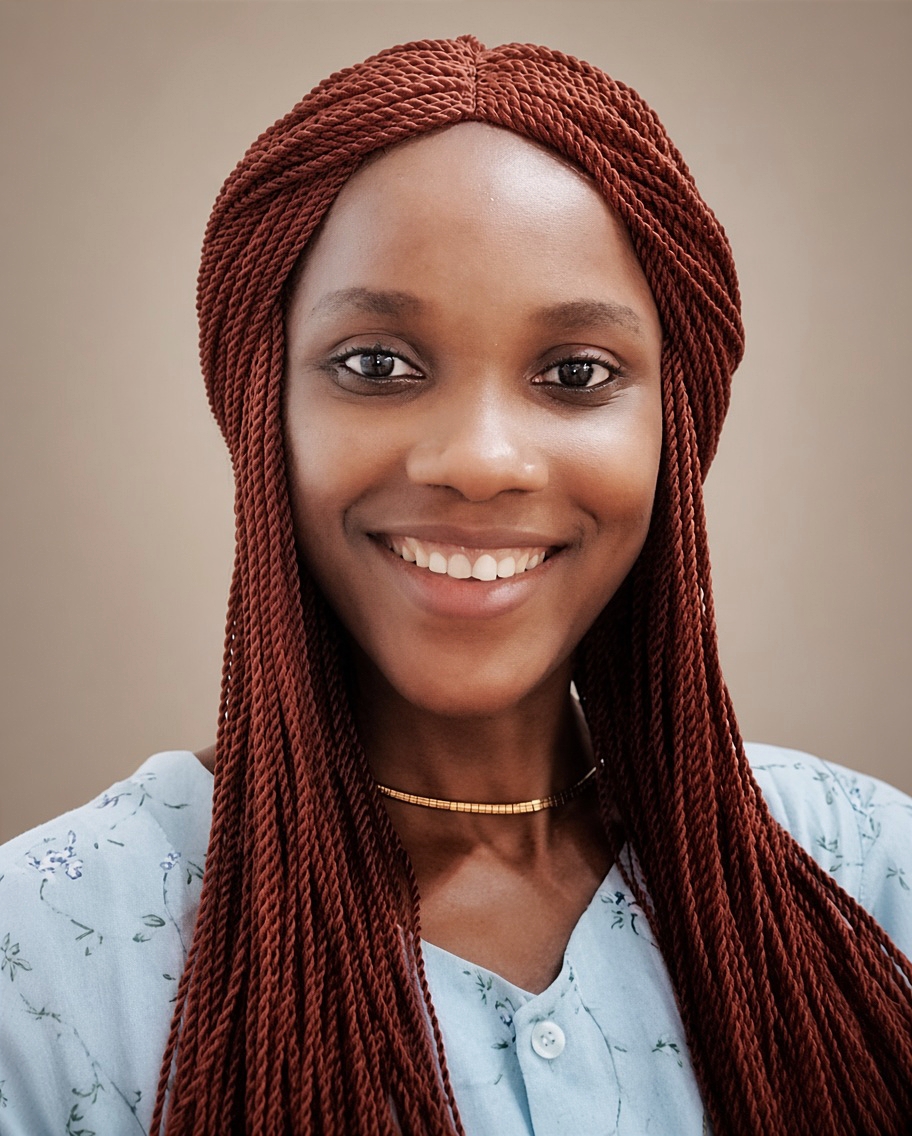
Look a Little Closer: The Figurative Art of Martha Adanma Okechukwu
By: Chieloka Anadu Martha Adanma Okechukwu is a Nigerian visual artist based in Lagos whose…

Leave a Reply