-
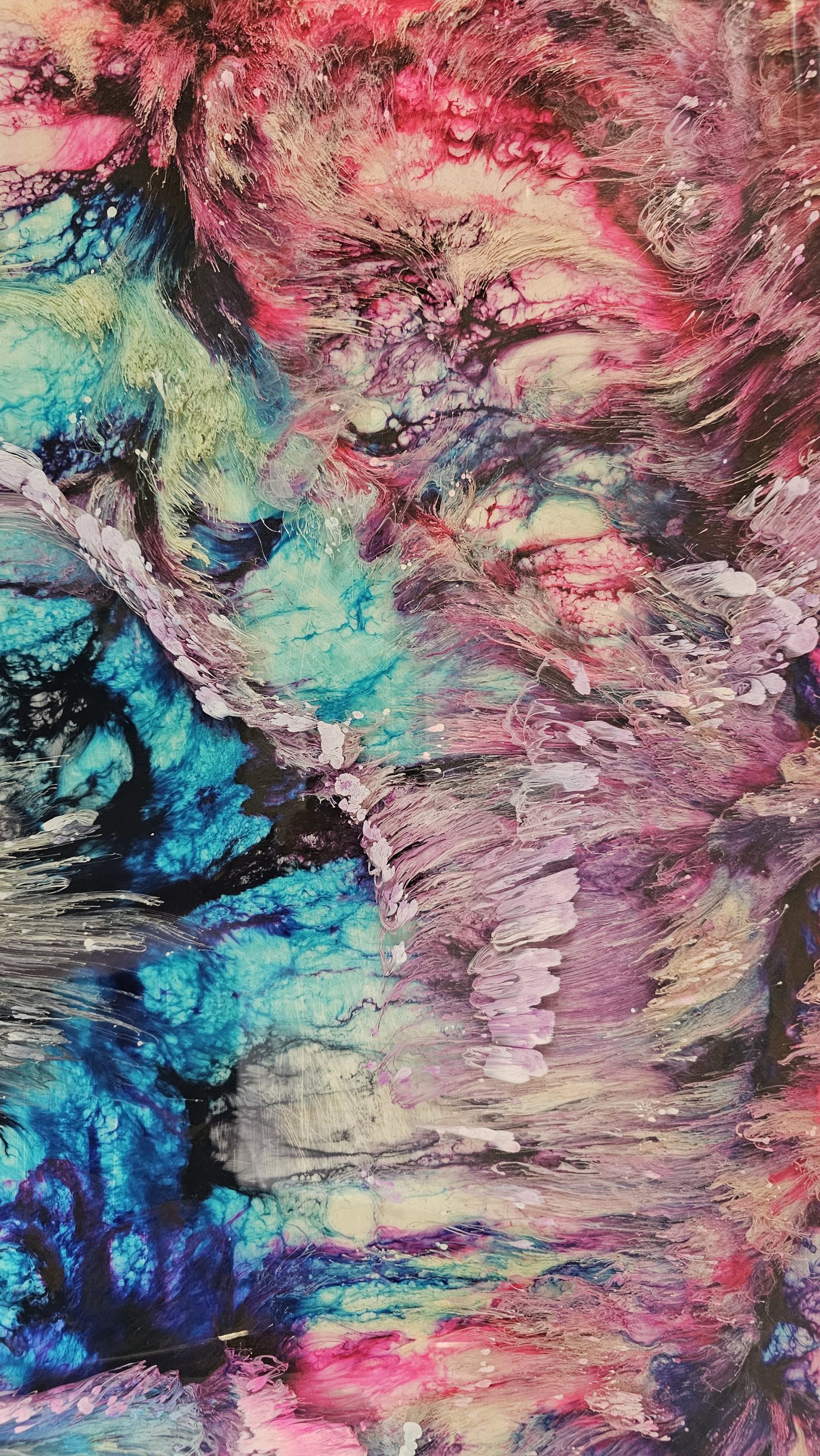
By: Chieloka Anadu According to Elijah Grannis, the world of art is not just about what you can see, but what you can unlock. While many artists work with the tactile resistance of clay or the flat surface of a canvas, Elijah works with a medium that is as temperamental as it is transformative: resin. Elijah’s practice is a…
-
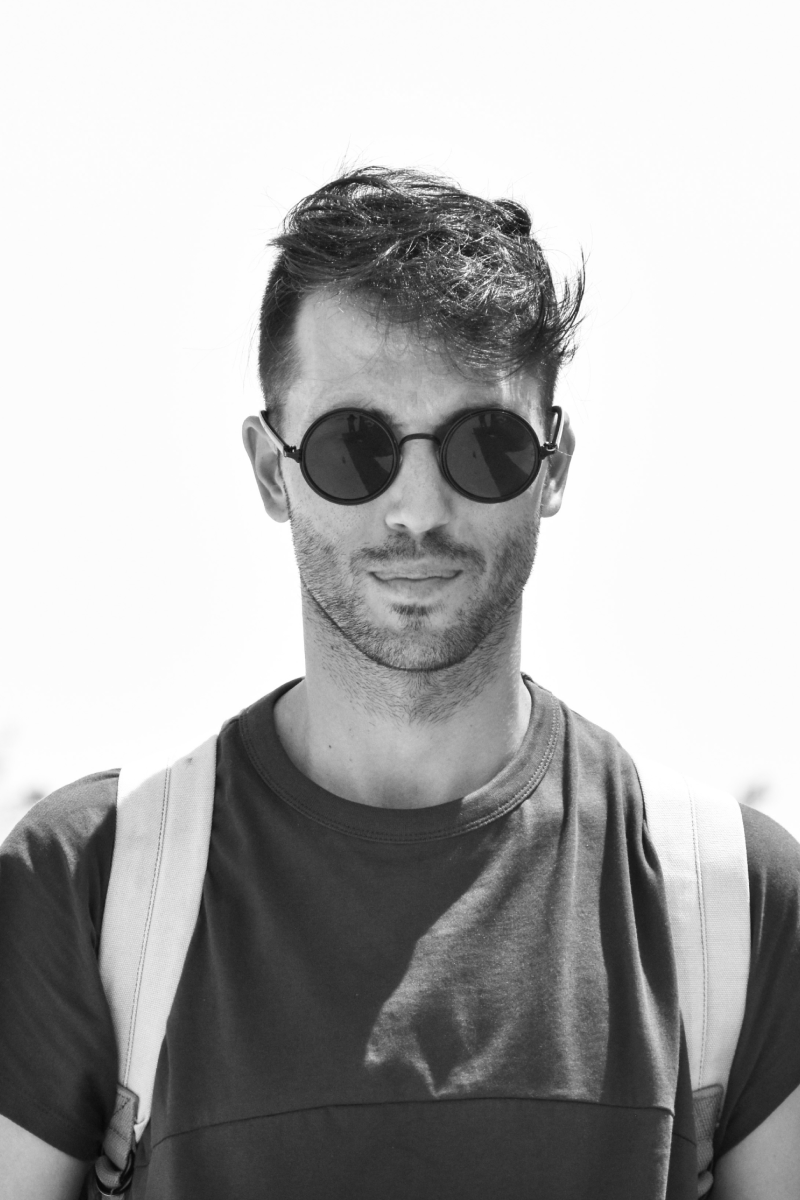
By: Chieloka Anadu For Robin Kane, the camera is not a tool for “capturing” a moment, but a tool for constructing a site. A multidisciplinary visual artist specialising in conceptual photography, Robin treats the human body as an archive, a place where identity is not a fixed point, but a continuous negotiation. In Robin’s work, there…
-

By: Chieloka Anadu For Daniel Cleal, a Caribbean English artist hailing from North London, the canvas is not just a surface, it is a space where chaos and enlightenment shake hands. Now based in the United States, Daniel brings a high-energy, multidisciplinary approach to the gallery, creating work that serves as a bridge between his roots…
-

By: Chieloka Anadu For Nancy Trueman, art is not something to be looked at, it is something to be felt. As an artist and sound practitioner, Nancy treats sound as a physical material, sculpting it to fill the voids of a room. Her practice is an exploration of resonance, silence, and what she calls “embodied…
-

By: Chieloka Anadu In the world of Sharon Flowers, a single thread is never just a material; it is a sentence in a much larger story. A textile designer by training and a storyteller by instinct, Sharon occupies a unique space where fashion, business management, and fine art intersect. Her practice – a rhythmic, tactile…
-
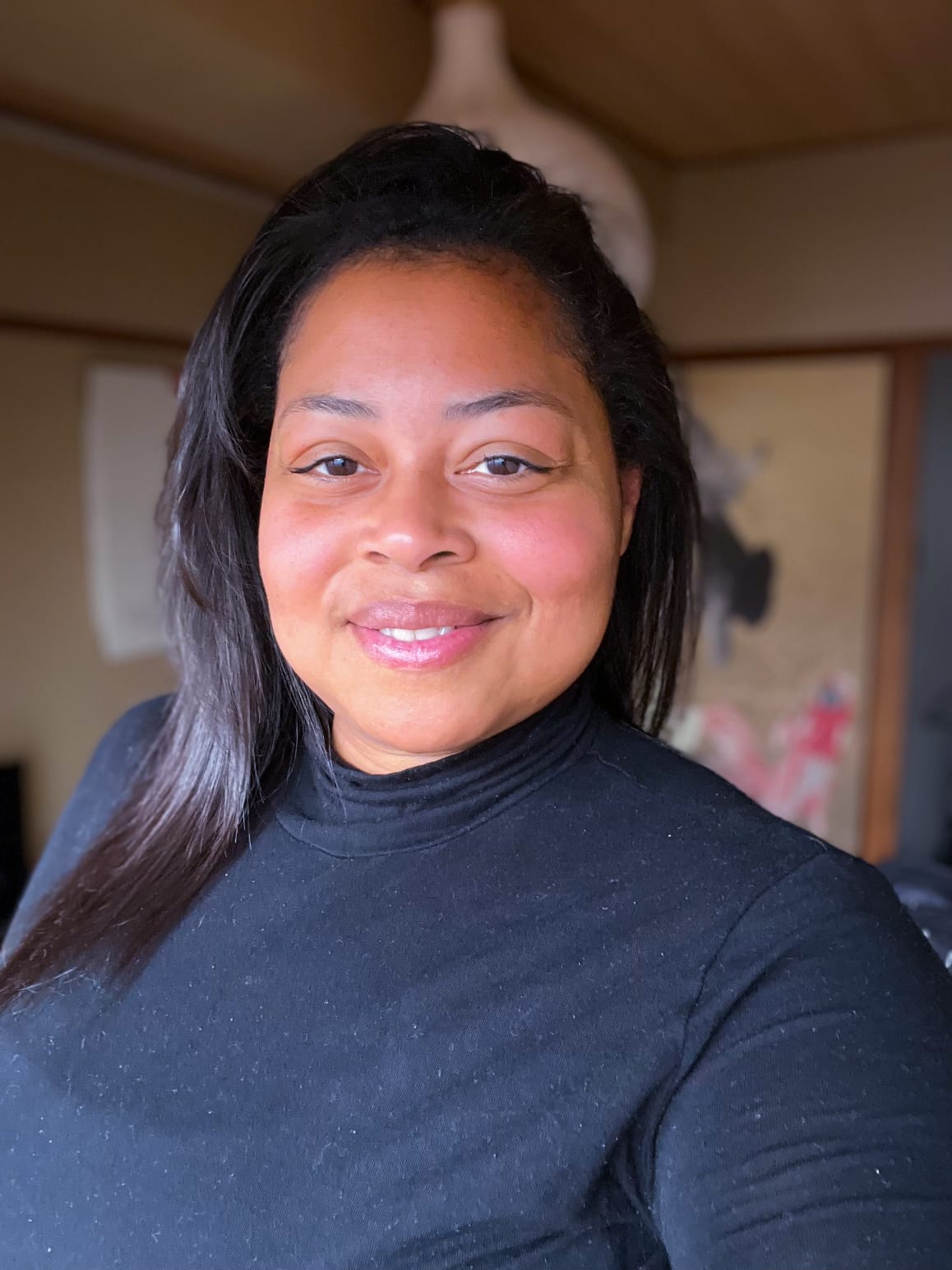
By: Chieloka Anadu In the quiet, historic corners of Bath, England, Ani Lacy is engaged in a profound act of excavation. An American artist and art historian, Ani retrieves histories. Her practice is a sophisticated tapestry of ceramics, digital collage, and archival imagery, all held together by a single, driving question: How do we carry…