By: Chieloka Anadu
Theophilus Chinonso Agwunwa is a Nigerian fabric collage artist who graduated with distinction from Auchi Polytechnic, Edo State, where he studied Arts and Industrial Design with a major in Painting. His artistic path began in childhood, shaped by a deep curiosity and passion for both visual and performing arts, a curiosity that eventually settled into a distinctive practice built on transforming discarded fabrics into richly textured, expressive artworks. His work has since been shown in group exhibitions across Nigeria and internationally, including the Abuja Art Fair, NEXT OF KIN at Thought Pyramid Art Centre in Lagos, and a group exhibition at Macon Arts Alliance in Macon, Georgia. Today, his practice sits at the intersection of sustainability, culture, and storytelling, working primarily with discarded Ankara textiles to build layered visual narratives around identity, memory, beauty, resilience, and everyday life – turning material that might otherwise be overlooked into something worth close attention.
Much of his inspiration, he says, “comes from people and their stories.” He is particularly drawn to African women – their beauty, strength, resilience, and the range of experiences they carry – an interest that has shaped bodies of work like Crown of Beauty and Pillars of Strength. Beyond that, he draws on African culture, textile, colour, and the rhythms of everyday life, animated by a belief he returns to often: that something ordinary or discarded can be transformed into something extraordinary.
Agwunwa points to Sanusi Olatunji, a Nigerian fabric collage artist based in the United States, as a defining influence on his practice. He was struck by the way Olatunji used fabric to build expressive, powerful artwork, and watching him turn textile into a distinctive visual language encouraged Agwunwa to explore fabric collage more deeply and find his own voice within the medium. His interest goes beyond technique alone – he is drawn to fabric’s potential as a storytelling material, to how colour, pattern, texture, and cultural identity can combine into something meaningful. Even so, he is careful to note that his own approach has grown well beyond that initial spark: while Olatunji’s work inspired his journey, he has continued developing his own themes and visual language, centered on beauty, identity, resilience, sustainability, and the everyday experiences of African people.
His materials are central to that vision. Agwunwa works primarily with discarded fabrics, especially Ankara textiles, cutting them into different shapes and sizes before layering and arranging them into portraits. The process can be detailed and time-consuming, but he welcomes that demand, since “every piece of fabric becomes part of the story.” Fabric matters to him because it carries culture, identity, memory, and connection – and because the materials he uses are discarded, his practice carries a built-in element of sustainability as well.
When creative blocks arrive, Agwunwa resists forcing his way through them. He’ll step away from the studio, observe his surroundings, watch people, explore fabrics, or simply give himself space to breathe. He has come to see rest as part of the process rather than a departure from it: “Sometimes taking a break is actually part of the creative process,” he says. Eventually an idea surfaces, and he returns to the studio with renewed energy.
Asked what his artwork would say if it could speak, he answers plainly: “Look beyond what you see. There is beauty, strength, and value in places you may not expect.” He wants viewers to connect with his work emotionally – to notice the beauty of the subject, but also the story embedded in the materials themselves. The discarded fabrics he works with carry their own quiet reminder, that something once overlooked or considered worthless can still become beautiful and meaningful.
For Agwunwa, participating in the Anadu Art Fair is a genuinely exciting milestone. Personally, it marks how far he has come as an artist and how much his practice has grown. Professionally, it opens the door to a wider audience – collectors, artists, curators, and others within the art community – and represents another step in building his career and raising awareness of fabric collage as a practice. He says he is looking forward to the experience, and especially to seeing how people connect with the stories behind his work.
Follow Agwunwa’s story on Instagram: :@theophilus_agwu
Blog
This section provides an overview of the blog, showcasing a variety of articles, insights, and resources to inform and inspire readers.
-
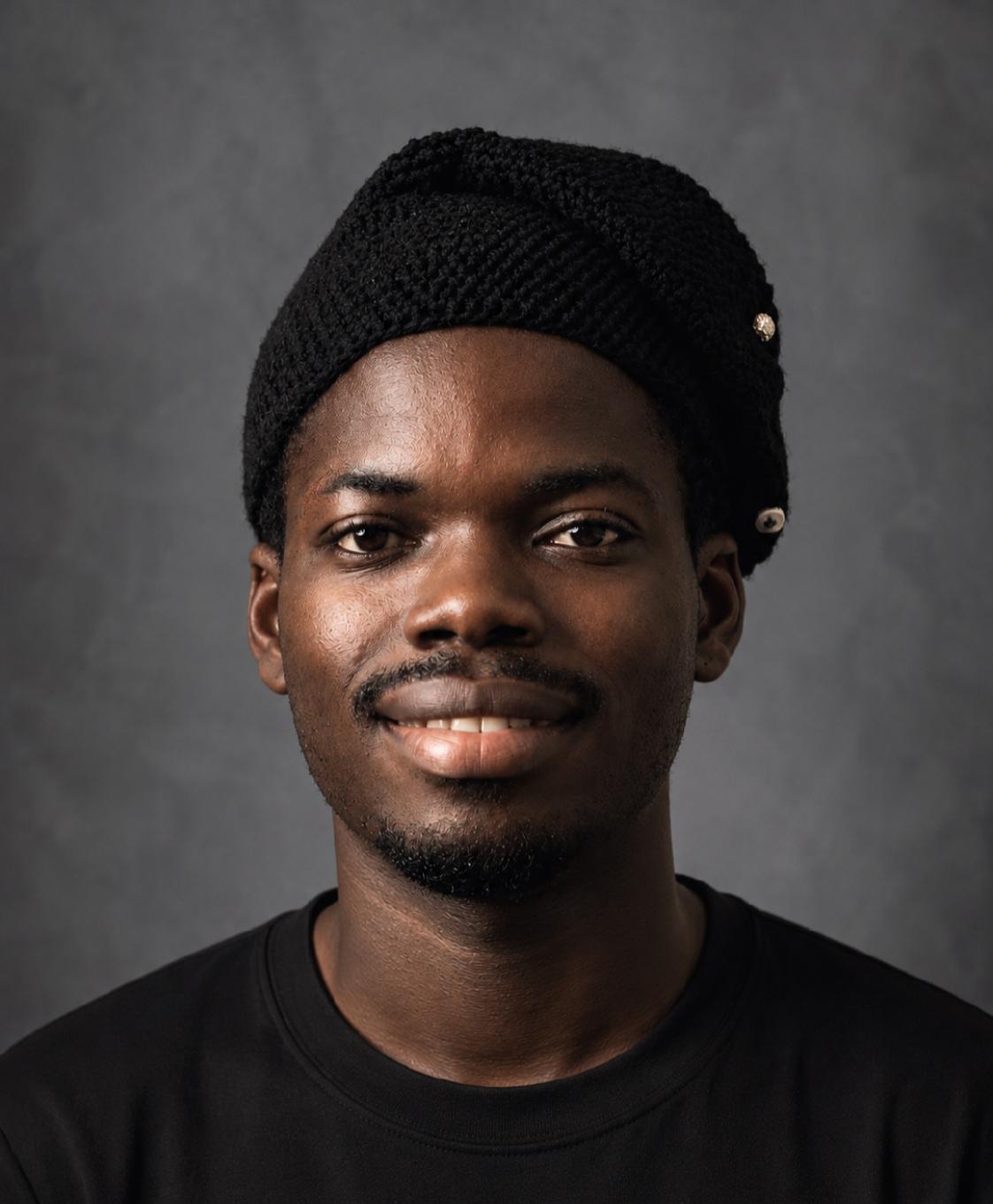
Fragments and Identity: The Practice of Flourish Oyinlola
By: Chieloka Anadu Flourish Oyinlola is a Nigerian contemporary visual artist based in Ibadan, working…
-
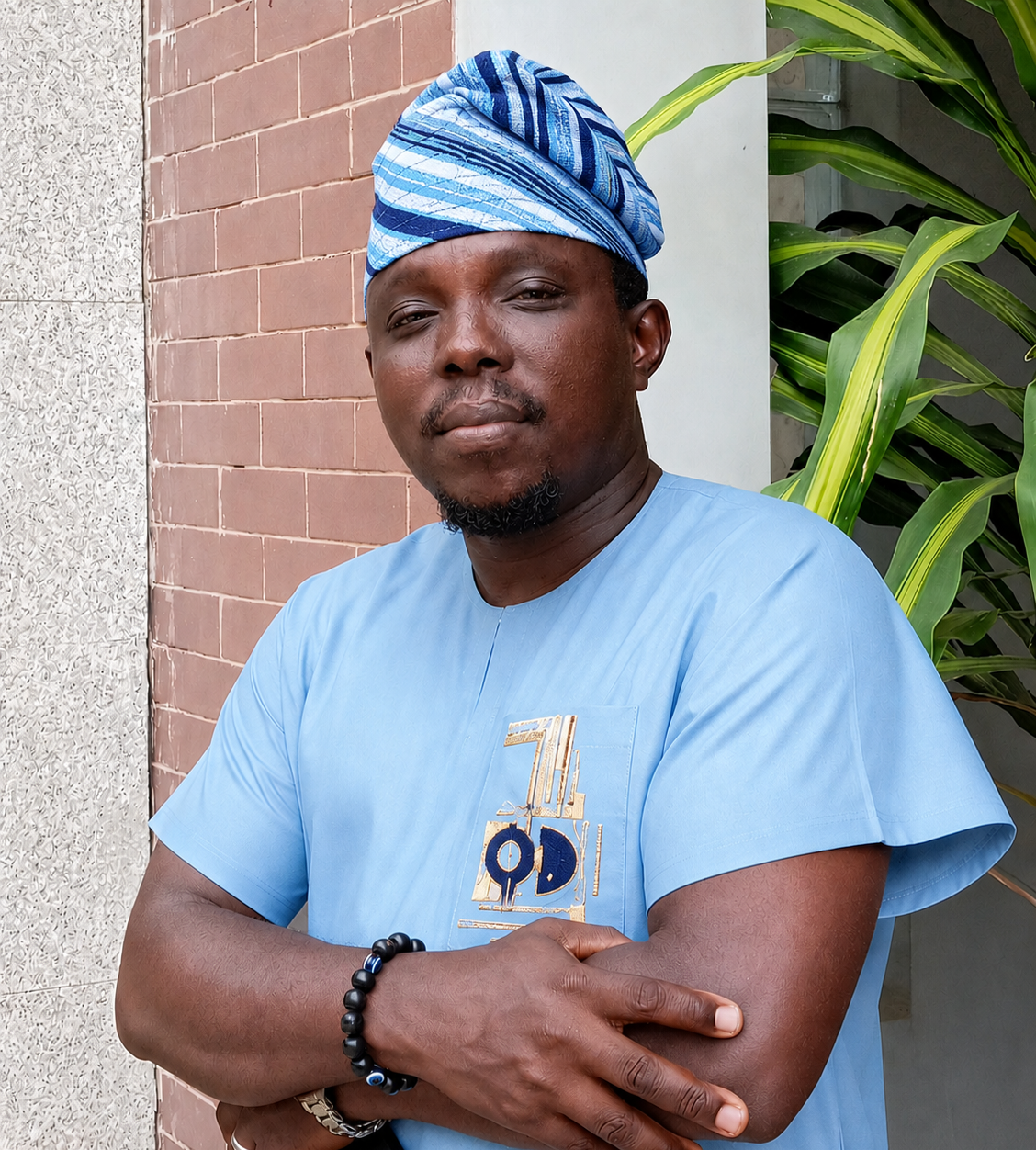
Beauty in the Discarded: The Fabric Collage Art of Theophilus Chinonso Agwunwa
By: Chieloka Anadu Theophilus Chinonso Agwunwa is a Nigerian fabric collage artist who graduated with…
-
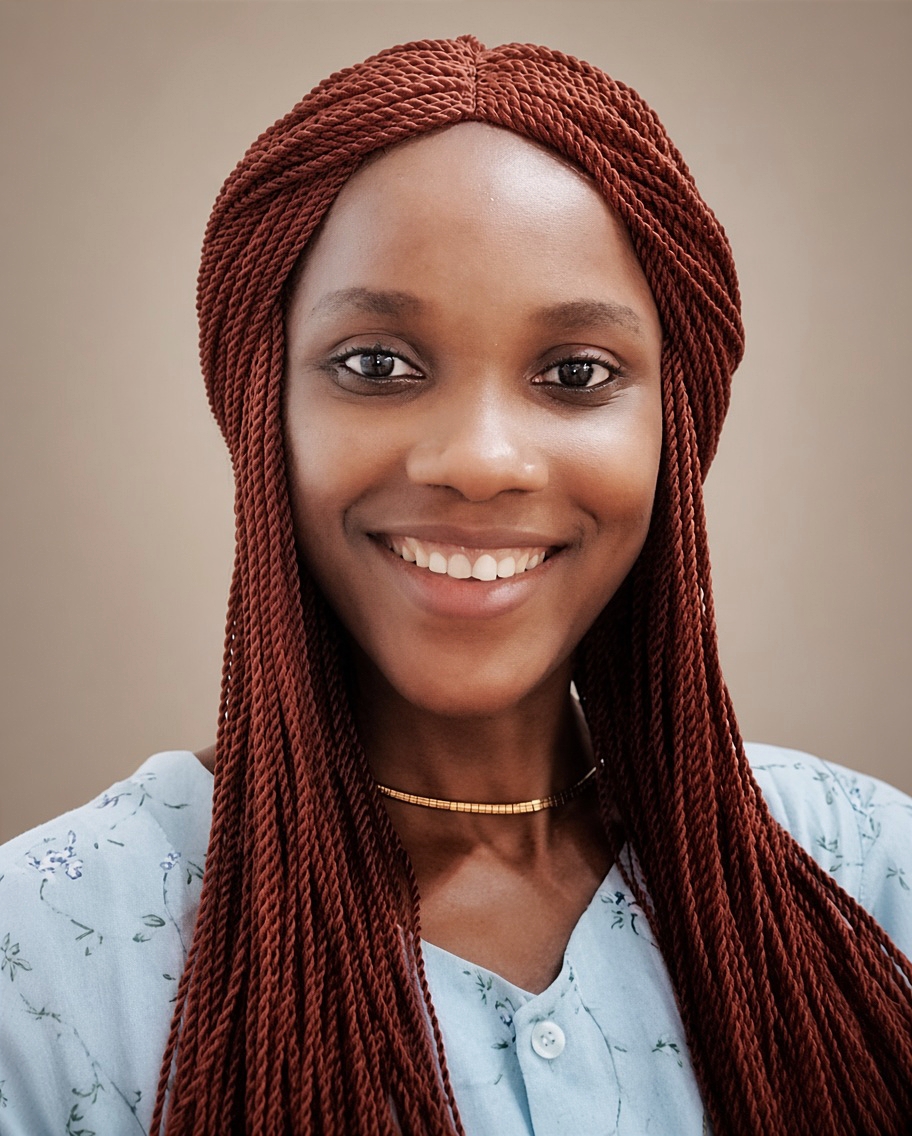
Look a Little Closer: The Figurative Art of Martha Adanma Okechukwu
By: Chieloka Anadu Martha Adanma Okechukwu is a Nigerian visual artist based in Lagos whose…

Leave a Reply