By: Chieloka Anadu
An image can seem familiar, a body, a dream, a memory, and still be slightly displaced, and that uncertain space between recognition and strangeness is where Caroline Braga likes to work. A Brazilian visual artist and researcher based in Campinas, she builds a practice at the intersection of art, technology, and contemporary image-making. Her work centres on digital collage and generative artificial intelligence, exploring the body, memory, perception, and emotion. She is also pursuing a Master’s degree in Visual Arts at the University of Campinas (UNICAMP), researching how creative processes mediated by AI can give rise to new forms of visual language. For Braga, AI is more than a tool: “It becomes part of the creative process itself, creating a space of dialogue between my intention and what emerges from the system.”
Her process rarely starts with a finished image. It begins instead with a question, a feeling, or an idea, and draws on dreams, memories, the body, fragments of images, and the relationship between perception and technology. She is drawn to the moment when something familiar becomes strange, and AI widens that space of uncertainty by introducing possibilities she couldn’t have completely anticipated.
Her influences come from both art and theory. She is particularly interested in Vera Molnár and her exploration of systems, chance, and generative processes. Among thinkers, Vilém Flusser is an important reference, especially his ideas about apparatuses, programs, and technical images. She also draws on neuroscience and neuroaesthetics, particularly around perception, attention, memory, and emotion, and her more recent research engages thinkers who explore the relationship between technique, technology, and the human, such as Gilbert Simondon.
Her work is predominantly digital, using generative AI, collage, photography, image manipulation, and digital editing. But what interests her goes beyond the tools themselves: “There is a difference between using a technology and thinking about the process it produces.” Each image passes through many decisions, generating, selecting, rejecting, combining, fragmenting, and transforming, so that technology is present not only in the finished result but in “the way the artwork itself is made.”
When creative blocks arrive, Braga doesn’t try to force inspiration. She steps away, reading, looking at images, taking photographs, or experimenting without knowing where the process will lead. AI can make that experimentation especially rewarding, since an unexpected result can open a path she hadn’t imagined, and she likes the idea of not having complete control over the process.
If her artwork could speak, she suggests it might say: “Look again.” She likes creating images that exist somewhere between recognition and uncertainty, and hopes each viewer will complete the image through their own experiences.
For Braga, participating in the Anadu Art Fair is a chance to place her work in dialogue with other artists and a broader audience. It carries extra meaning because her practice is concerned with exactly what happens when art and technology meet. She is interested not only in using new technologies to make images, but in understanding how they can transform the creative process itself, the idea of authorship, and the way we construct and perceive images. Taking part in Anadu, she says, is a way of sharing that investigation through the artwork itself.
Follow Braga’s journey on Instagram: outline_digitalarts
Blog
This section provides an overview of the blog, showcasing a variety of articles, insights, and resources to inform and inspire readers.
-
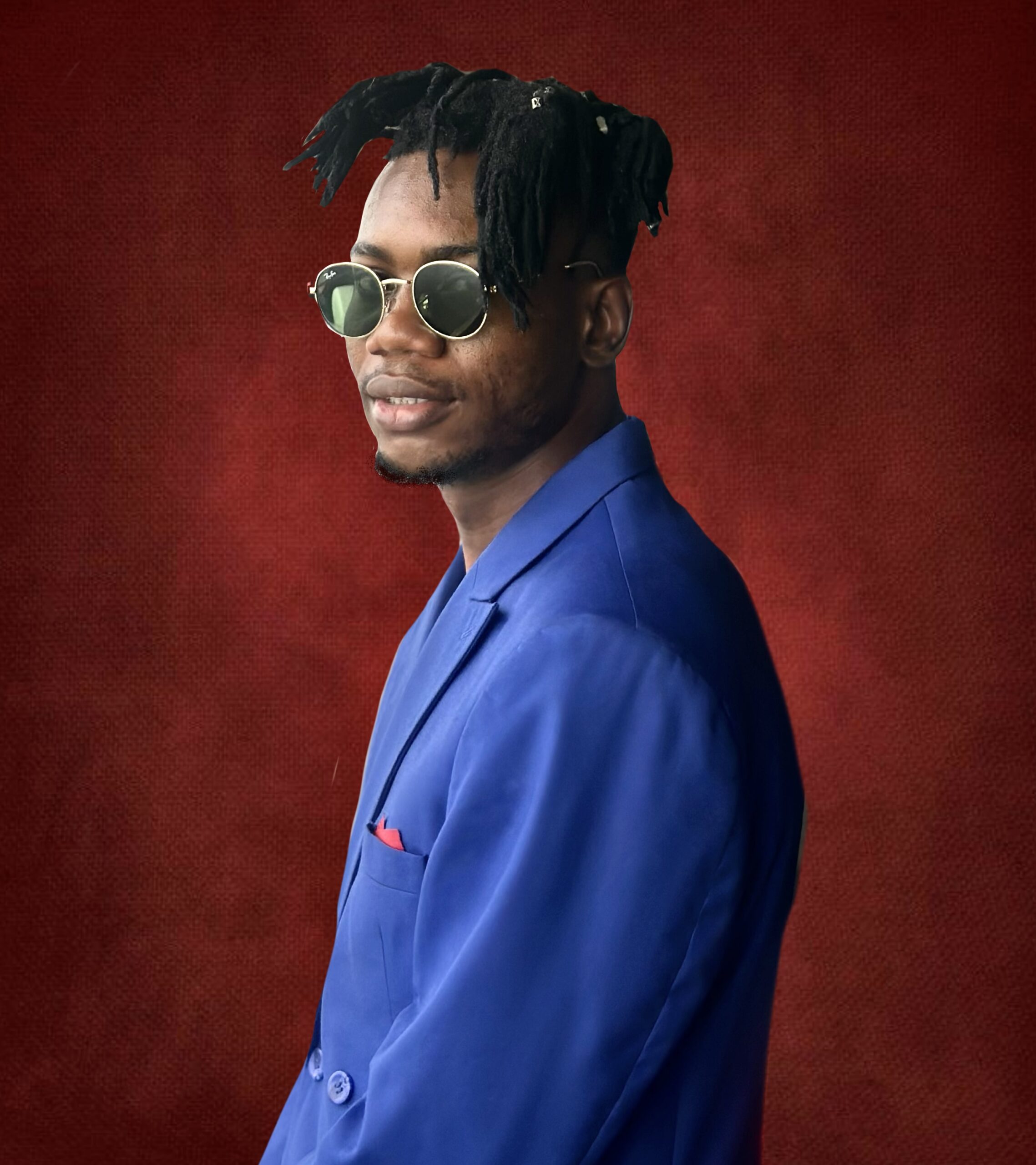
The Red That Runs Through It: Kareem Joseph Ayomide on Pain, Struggle, and Sacrifice in Red
By: Chieloka Anadu Running through nearly every painting by Kareem Joseph Ayomide is a streak…
-
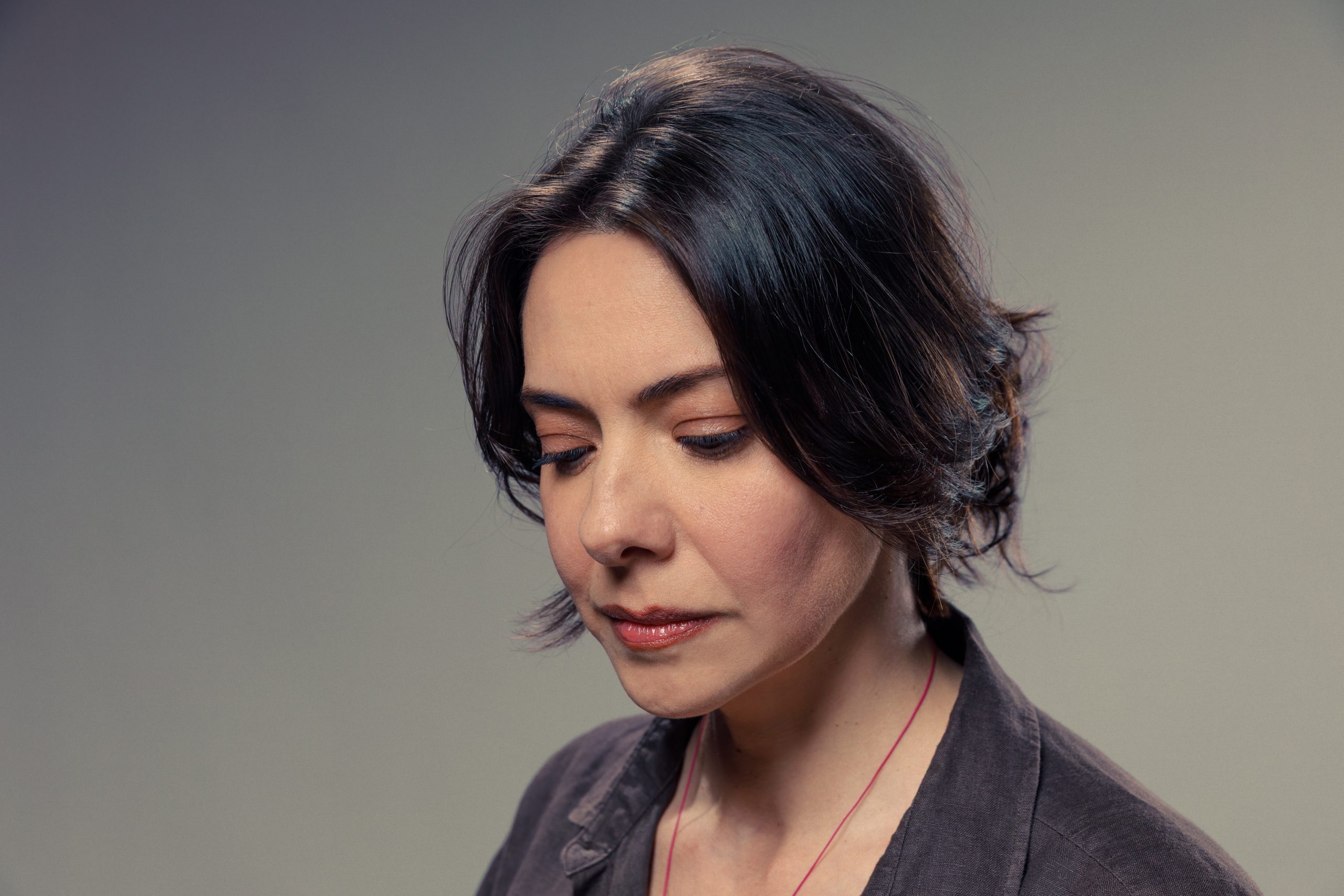
When the Familiar Turns Strange: Caroline Braga
By: Chieloka Anadu An image can seem familiar, a body, a dream, a memory, and…
-
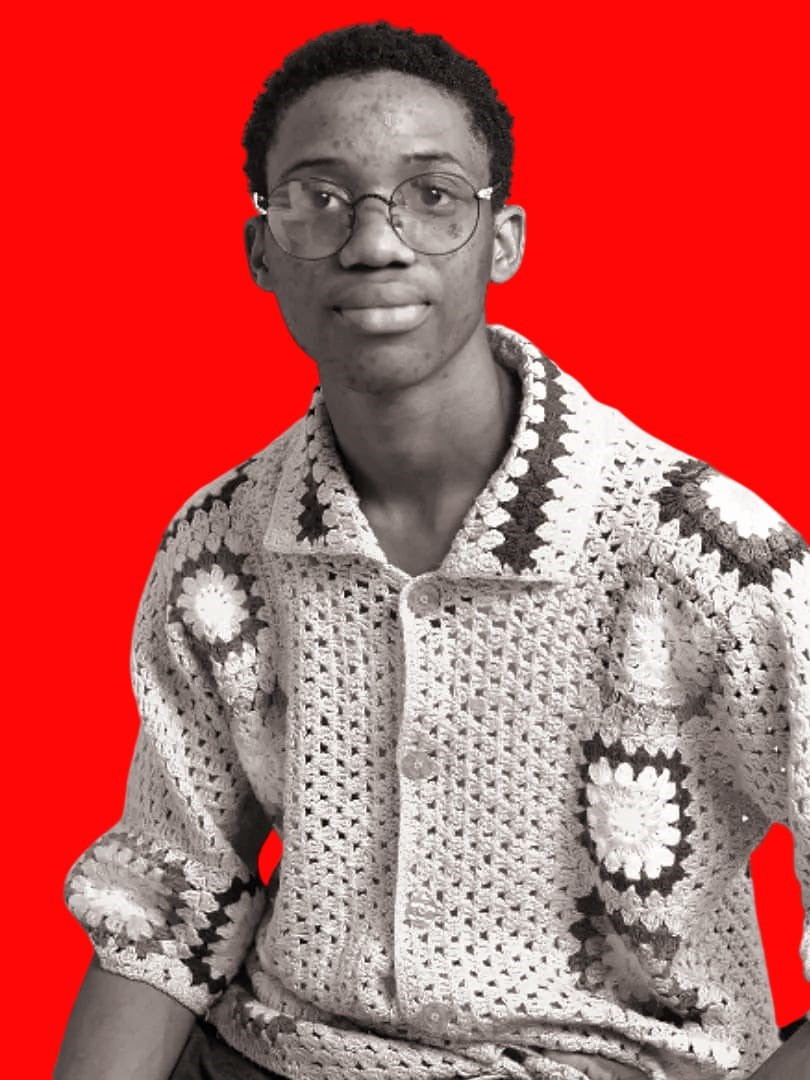
Garbage to Gold: Abraham Adewole’s Reclaimed Wood
By: Chieloka Anadu What most people call wood garbage, Abraham Adewole sees as “a material…

Leave a Reply