By: Chieloka Anadu
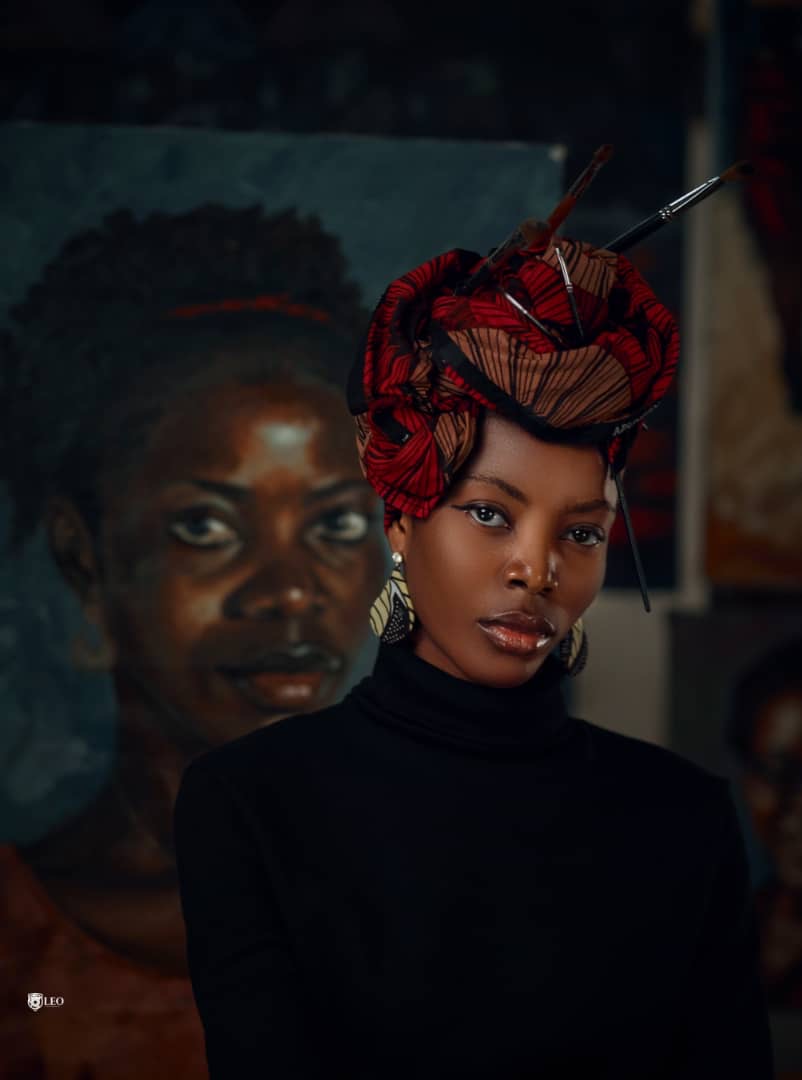
A contemporary visual artist working primarily with discarded electronic waste – cables and wires pulled from the margins of consumption and given new life. Her practice is, at its core, about transformation: “taking what society discards and giving it new dignity, new story, and new power and life.” Resilience, identity, heritage, and sustainability sit at the center of the work, with her art championing the strength and persistence of African communities through the language of contemporary African art. “Every act of creation is first of all an act of destruction,” she says, and using recycled electronic cable, she builds intricate compositions that push environmental accountability into view. Each piece functions as both image and statement, carrying what she describes as a “waste-to-wealth” narrative – one meant to promote recycling, sustainability, and a more environmentally conscious future at a moment when, as she puts it, “production and consumption are carried out at a terrifying speed but the waste from this production and consumption cannot be recycled at the same speed.”
Her inspiration begins with what’s been overlooked – electronic waste dumps close to home chief among them. Her community itself is a source of energy, admired for its capacity to improvise, to manage, to make something out of nothing. “That’s resilience,” she says simply. Conversations around mental health inform her work as well, adding another layer to a practice already concerned with what gets discarded and what still has value.
Among her influences, Adekunle points first to El Anatsui, drawn to the way he works with discarded materials at a monumental scale and makes them speak to history and trade. More broadly, she’s inspired by Nigerian artists pushing beyond canvas, working in mixed media and unconventional, specifically sustainable materials – a loose community of practice she sees her own work belonging to.
Her material choice is inseparable from her message. Adekunle works mainly with discarded electronic cables, wires, and other e-waste, shaping them by hand through twisting, braiding, coiling, and weaving. “The material is the message,” she explains. “Cable conducts electricity. It connects. So when I use it, I’m talking about connection – to culture, to each other, to the earth.” The act of braiding carries its own intention too – “it’s African, it’s feminine, it’s laborious,” and it mirrors, in her words, “how we survive strand by strand, we hold ourselves together.” At its root, she sees the work as a quiet message of hope: if faulty, discarded cable can become something valuable, so can a person.
When creative blocks arrive, Adekunle returns to her hands. If her mind is stuck, she’ll sit and braid wire with no particular goal, trusting that the motion itself unlocks ideas. She also leans on community, talking things through with others rather than working in isolation. She’s made peace with the blocks themselves, treating them as part of the process rather than an obstacle to it: “rest is productive,” she says, and sometimes a block is simply telling her to go collect more material, visit the market, or listen to a story.
If her artwork could speak, she imagines it saying: “Don’t throw me away. Don’t throw yourself away either.” It would ask viewers to look more closely at what they consider trash – in materials, in people, in themselves – and offer a quiet reassurance in return: “We are stronger together. Braided. Connected. Still conducting light even after being discarded.”
Participating in the Anadu Art Fair carries real personal weight for Adekunle. “It means validation,” she says, “that I’m seen and relevant – that this path I chose with wire and waste is seen and valued.” Professionally, she sees it as a platform: Anadu brings together collectors, curators, and other artists, creating exactly the kind of space sustainable art needs in order to earn a place in serious collections. It also means community – a chance to meet people who care about the same questions she does, around art, waste, identity, and the future of Nigerian creativity.
Follow Adekunle’s journey on Instagram: patience.adekunle
Blog
This section provides an overview of the blog, showcasing a variety of articles, insights, and resources to inform and inspire readers.
-
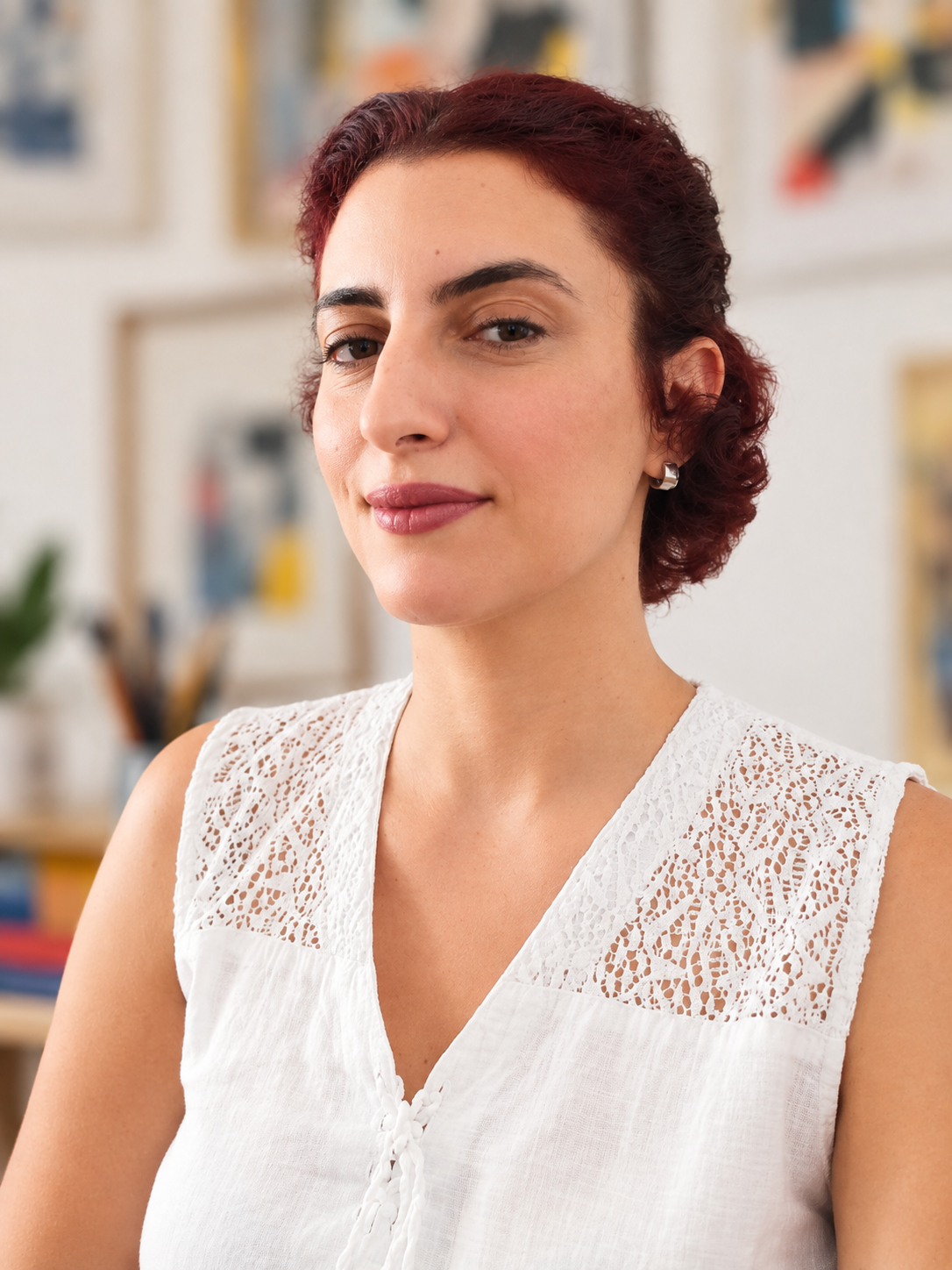
Scribbled, Layered, Torn: The Collage Practice of Jihène Bouden
By: Chieloka Anadu A scrap of paper, a stray mark, a gesture made without a…
-
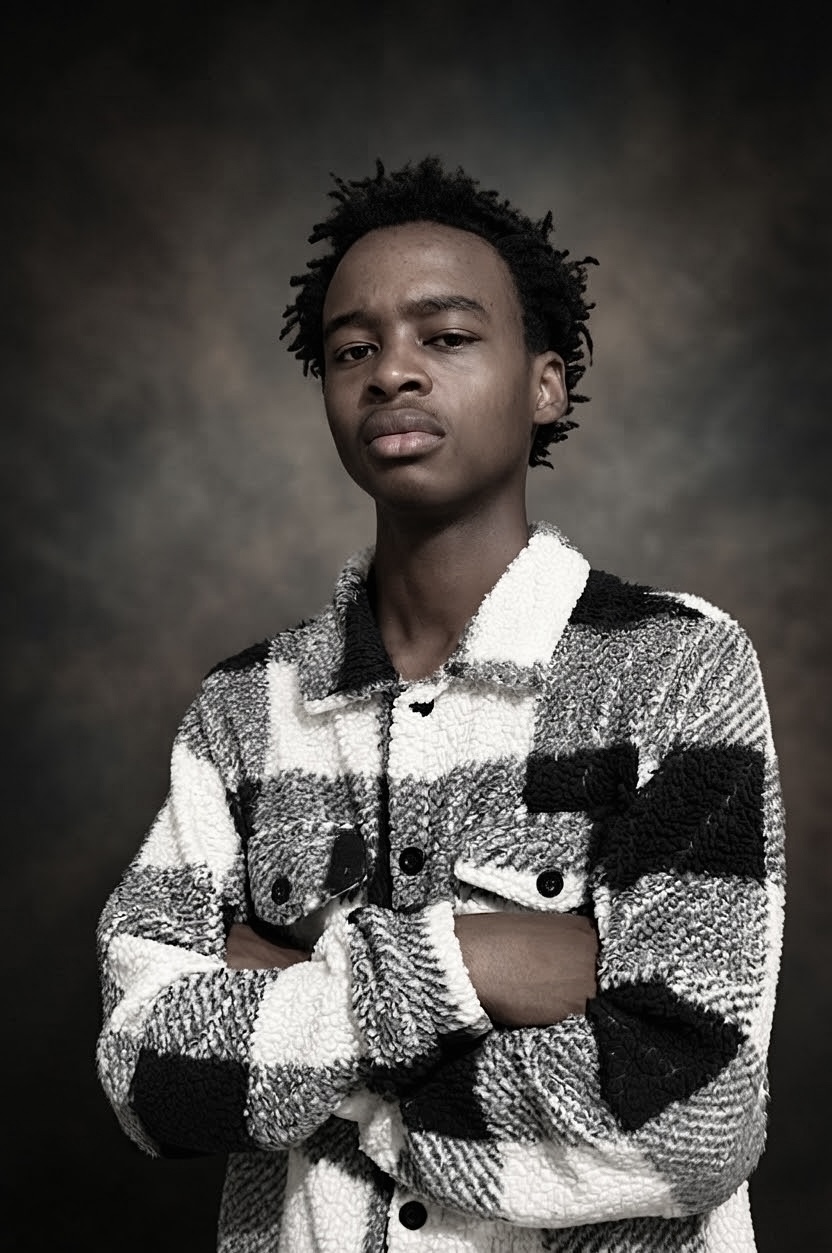
Roots That Hold: The Black-and-White World of Mpilwenhle Gwala
By: Chieloka Anadu In Mpilwenhle Gwala’s work, black and white are never just colours. They…
-

Where the Painting Leads: The Intuitive Art of Goldie
By: Chieloka Anadu Goldie rarely knows how a painting will end when she begins it,…

Leave a Reply